


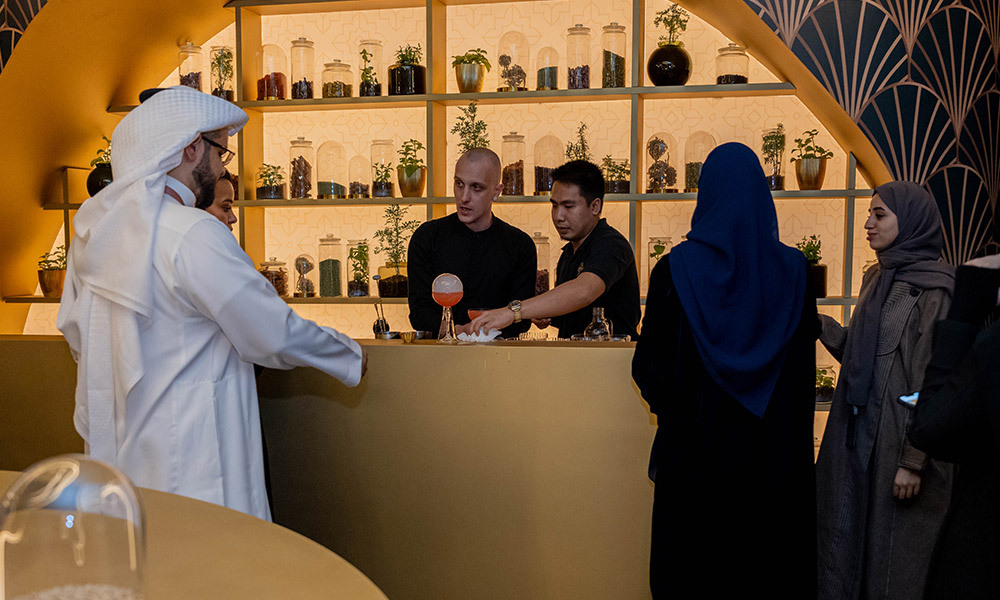
2023 Culinary Arts Commission Al Maidah: Saudi Food Culture and Gastronomy Tourism
Saudi Arabia is witnessing a revitalisation of its food culture across the length and breadth of the Arabian Peninsula. and while this transformation is being driven by rooted traditions, the shift towards a more global approach for viewing Saudi Food Culture presents the Kingdom with challenges as well as opportunities to embrace its culinary cultural heritage while preparing for the future; the Architecture of the Saudi Culinary Arts represents that opportunity to embrace an architectural style that will reflect the kingdom’s emerging modern image. The goal of this initiative is for the Culinary Arts Commission established by the Ministry of Culture in 2020 to preserve, develop, promote, and elevate Saudi Food Culture throughout the world.
One of the Commission’s greatest accomplishments is the Legacy of Our Kitchen initiative, which officially began in 2021. The Saudi Food Commission has gathered over 200 traditional recipes from the community, through extensive research and community participation, which allow for the preservation of the sensory profiles, cooking techniques and cultural ties of Saudi Arabian cuisine that contribute to forming the Saudi culinary identity. In addition to preserving traditional recipes, the collection of traditional Saudi recipes will serve as a springboard for the growth of the gastronomy tourism sector; an emerging area designed to attract more international visitors wishing to experience the rich culinary history of Saudi Arabia. Using food as a medium through which you can engage with Saudi Arabian history, generous hospitality and creativity, provides visitors with a unique and personal way of experiencing all that Saudi Arabia is known for.
When you visit Riyadh, the capital of the Kingdom of Saudi Arabia, you will see a vibrant culture and experience the rich flavours of that culture; the smell of cardamom spice coffee, grilled meats, and fresh herbs will inundate your senses as soon as you enter the city limits. Gastronomic travel to Riyadh has shifted from ‘a passing fad’ as it has transitioned into a socio-cultural shift in the Saudi Arabian population.
Saudi Arabia has established itself on the World Culinary Map, as a result of the Saudi Commission for Tourism, by offering many opportunities for chefs to develop their own interpretations of traditional ethnic foods through pop-up food fairs, backyard BBQs, and festivals. Saudi Arabia is a very popular destination for people interested in experiencing both food and the scenery of the country as part of their cultural experience.
As we continue walking through this beautiful-smelling world, you will learn how food from different cultures is used as both a memory and a message: through every single taste of food, we are telling stories about hospitality, resilience, and our common bonds with one another.
Bedouin Roots: A Symphony of Spices and Stories
Saudi Arabia’s traditional food stems from the way that the Bedouins used to live. The Bedouins created their food based on need, creativity, and the desire to feed others around them. Because of the lack of resources available to them while living in Najd, the Bedouins relied on staple foods such as Dates, camel’s milk, and grains for nourishment, which enabled them to survive as a society and as individuals.
Even today, this tradition continues to be reflected in nearly every dish prepared within the homes of Saudi families, and in every ceremonial feast. Eating together continues to be viewed as a way of building unity among the various tribal groups of the Kingdom. Also, the same cultural traditions of Saudi Arabia provide the basis for the Kingdom’s food traditions as well, and they also play a role in the way Saudi Arabia prepares its foods today.
Kabsa is a traditional rice dish that is considered the “Royal Dish of Saudi Arabia.” Kabsa is a spiced rice pilaf and is traditionally prepared using lamb or chicken or sometimes even camel (rocket). The rice is slow-cooked together with spices in one pot using saffron, dried lime and clove to create a highly aromatic rice dish with various flavours.
Kabsa is also a form of social interaction because it brings people together around the same table to share stories from past generations while eating community style using their hands over large trays filled with kabsa. Kabsa is a way for families and friends to celebrate Eid together and share their blessings and prosperity.
Qahwa (Arabic Coffee) plays a pivotal role in hospitality in Saudi Arabia. Traditionally, it consists of light roasted coffee beans, which are then mixed with either cardamom or cloves during the brewing stage to create a taste that is truly distinctive. The coffee is served in finjans (small cups) and poured into a dallah (decorated coffeepot) signifying respect and hospitality to the guest. If a guest offers their friend the first cup of Qahwa, it indicates friendship; if the guest offers them the third cup, it signifies respect and indicates they don’t want any more.
You can experience the cultural aspects of Saudi Arabia when you visit the Jeddah Souk (also known as the Marketplace/Trade Area) where visitors can enjoy drinking qahwa, socialize and have fun while conversing, bartering and joking with merchants. For this reason, qahwa serves not only as a drink but also as a vehicle for cultural exchange between the tent-dwelling Bedouins, the people of modern-day Saudi Arabia and those in corporate Board Rooms around the world.
Regional Riches: A Feast for the Senses
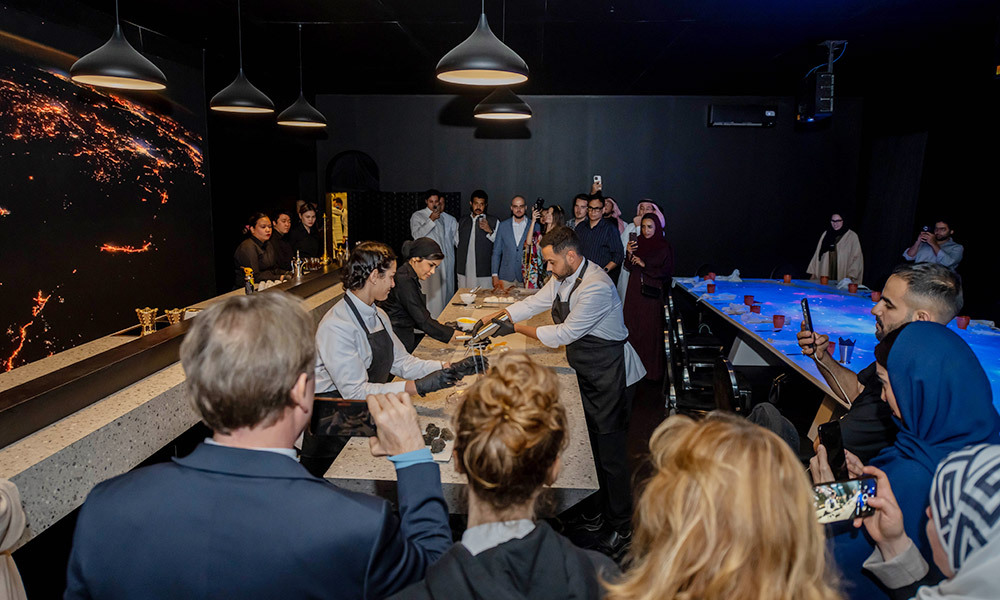
As one of the many attractions Saudi Arabia has to offer, gastronomy tourism is growing in popularity due to the wide variety of regional cuisines available throughout Saudi Arabia’s 13 provinces. Each region has its own unique culture, with influences from the surrounding landscape, climatic conditions and historical events that helped shape regional cuisine.
In the Eastern Province, Mandi is one of the most popular dishes from this region, consisting of lamb or chicken that is slowly cooked in a traditional way underground (using a method known as Tannour) and served over seasoned rice. Mandi is a communal dish that many people enjoy at family gatherings and weddings. Visitors can sample this delicious dish in Dammam, along with other specialities found in the Gulf Region, such as grilled hammour fish.
Further south, the green mountains of Asir—named the World’s Region of Gastronomy 2024—showcase figs, honey and herbs in dishes such as Balaleet, a sweet-and-savoury breakfast emblematic of the region’s character. With over half a million annual visitors, Asir has become a model for how saudi culture food can drive regional tourism and sustainability.
Along the Hijaz coast, centuries of trade have created a cosmopolitan cuisine. Jeddah’s Sayadieh, spiced rice with fried fish and caramelised onions, reflects these global influences, while pilgrims during Hajj add fresh variations each year.
Maqshush, the second national sweet of Saudi Arabia, offers ghee-sweetened morsels glazed with date syrup. The wider region retains its connection to traditional meals like Jareesh the result of centuries of cooking methods, and many of these foods are now recognised as part of the intangible heritage. Visitors can also participate in workshops at Diriyah Gate in Riyadh to learn how to prepare their own versions of these sweets.
The Commission’s Vision: From Preservation to Global Showcase
Saudi Arabia’s Saudi Culinary Arts Commission under the leadership of Mayada Badr has created new opportunities for the global promotion of Saudi Food Culture. The focus of the commission has transitioned from recording traditional recipes to having a global reach with respect to promoting and supporting all regions within Saudi Arabia.
Events like the Riyadh Season Food Festival highlight how Saudi cuisine blends tradition with creativity, while the Commission’s work with Slow Food advances sustainability through zero-waste practices and biodiversity workshops in AlUla. Together, these efforts strengthen gastronomy tourism and showcase a cuisine that is both authentic and forward-looking.
Spoons at the Ready: Your Invitation to Saudi Arabia’s Culinary Journey
Food is an integral part of Saudi modern culture and a reflection of Arabia’s history and identity. The Culinary Arts Commission and the continued growth of gastronomy tourism in Saudi Arabia allow tourists to experience both Saudi Arabia’s culinary heritage and culture with every plate of food that they eat.
As we taste Asir honey and experience the World Expo kitchens, the Culinary Arts Commission is working hard to ensure that these flavours endure through time.
In a time when food trends change so quickly, Saudi Arabia has managed to create an authentic, living relationship between its food and its people through the fragrant black lime and the desert dinner under the stars.